The global carbon fiber reinforced thermoplastic composites (CFRTP) market size was valued at USD 939.72 million in 2024 and is expected to reach USD 1377.86 million by 2032, at a CAGR of 4.90% during the forecast period


In today’s fast-paced digital era, mobile applications are at the heart of user engagement and business growth. The best app development company not only delivers robust solutions but also keeps pace with trending technologies like AI-powered personalization, blockchain integration for secure transactions, and cross-platform development with frameworks such as Flutter and React Native.
These companies focus on:
Scalable app architectures
Seamless user experiences
Faster time-to-market strategies
With the surge in wearable tech and IoT, the demand for smarter applications is skyrocketing. Businesses looking to stay ahead should choose partners who understand these evolving trends.
Creating a bitcoin exchange necessitates a safe, scalable, and packed with features platform. With the growing demand for smooth digital asset trading, organizations are looking for modern solutions that provide robust safety, fast transactions, and simple user interfaces. Choosing the correct exchange script is critical for gaining a competitive edge in the crypto industry.
What is the Kucoin Clone Script? A Kucoin Clone Script is a ready-made software package that is designed with features and core functionalities. It enables entrepreneurs and enterprises to quickly establish their cryptocurrency trading platform that offers comparable trading possibilities, security measures, a graphical user interface, and backend services to Kucoin.
The Key features of Kucoin Clone Script Supports Multiple currencies and languages The Kucoin Clone Script supports multiple currencies like Bitcoin, Ethereum, etc., and also allows multiple languages as per your preference.
Various security protocols Provides various security features for your account, like 2FA, anti-phishing, DDoS Protection, data encryption, KYC/AML verification, etc.
Multiple wallet integration Integrates multiple wallets such as spot, margin, futures, and funding wallet. To store the crypto in a secure and safer form.
Advanced trading options Spot trading, futures, leverage trading, and order limits are among the features available to meet the different demands of traders.
Liquidity management Quick order match and liquid integration to ensure smooth trading with no delays.
User-friendly interface A simple, clear layout guarantees that traders of all skill levels may easily traverse the platform.
Benefits of using the Kucoin Clone Script Faster launch in the marketplace The clone script's pre-built nature allows you to create your cryptocurrency exchange, significantly decreasing development time.
Cost effectivity Building from scratch might be costly. A Kucoin clone script provides an economical alternative without sacrificing important functionality.
Customizable brands You can simply customize your brands with the help of UI/UX designs, logo features,
Huge security features It offers security features such as anti-phishing code, 2FA, and end-to-end encryption etc.
Trioangle's Kucoin Clone Script enables entrepreneurs to establish a secure, scalable, and high-performing cryptocurrency exchange. Trioangle is the best solution for flourishing in today's competitive digital asset trading industry.
Get a free demo @ https://www.trioangle.com/kucoin-clone-script/ Email: sales@innblockchain.com WhatsApp: +91 9361357439 Telegram: https://telegram.me/teaminnblockchain
The success of the Coinbase crypto trading platform might have inspired you to start your own ‘Coinbase.' But before you dive headfirst into the Coinbase clone development, there are a few things you need to keep in mind.
First, the technology you use in the core system is very important. It affects your site's speed, user safety, and ability to manage many users at the same time. But it doesn’t have to be too complex.
For the components where your users interact with your Coinbase clone, elements like the main interface, user dashboard, and wallet view, using frontend tech stacks like React.js and Vue.js is a smart choice. They help create a responsive and fluid UI.
Now, for the backend, where the server manages trades, transfers, and account changes. Going for a commonly used stack, such as Node.js, is a good option. Because it can handle a lot of users at once, making it highly suitable for handling high user traffic.
Because you're handling real cryptocurrencies like Bitcoin or Ethereum, you must connect your exchange to those blockchains. This is achieved through blockchain APIs that let your Coinbase clone communicate with the blockchain to send and receive crypto.
You will also need somewhere to store data, such as user details and their transactions. Programs like PostgreSQL are useful for this because they are dependable and safe. And most important of all, security. Your Coinbase clone should include robust security measures like two-factor authentication, encryption, cold storage, and DDoS defense.
To wrap it up, building your Coinbase-like exchange requires a lot of technical expertise. But if you want to launch your exchange without any tech skills, instantly and in a budget-friendly way, you should definitely consider a Coinbase clone script. With a lot of dependable providers like Trioangle offering the best script solution, you can enter the market with your Coinbase clone in no time.
Get a free demo @ https://www.trioangle.com/coinbase-clone/ Email: sales@innblockchain.com WhatsApp: +91 9361357439 Telegram: https://telegram.me/teaminnblockchain
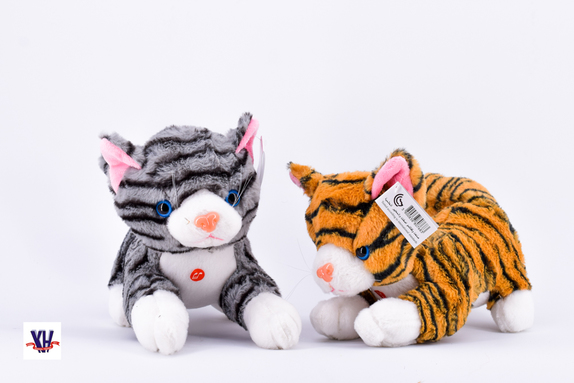
In the rapidly growing business environment of the UAE, companies are always looking for innovative ways to differentiate themselves and build long-lasting impressions in the minds of their customers. One of the most creative and emotionally appealing methods gaining attention today is customised logo printing with soft toys in UAE. Unlike ordinary promotional items such as stationery or keychains that often get discarded after a short time, soft toys carry emotional value and are cherished by both children and adults. When a brand chooses to add its logo on a cuddly plush toy, it is not only distributing a promotional product but also creating a memorable keepsake that recipients are likely to hold on to for years. This strategy is particularly effective in a place like the UAE, where branding and customer loyalty are paramount to success, and businesses want every marketing effort to deliver both immediate visibility and long-term recognition. The unique charm of customised logo printing with soft toys in UAE lies in its ability to merge functionality with emotional connection. A plush toy carrying a logo doesn’t come across as intrusive advertising but rather as a thoughtful gesture. People may forget a flyer or a business card, but they won’t forget a soft toy sitting on their desk, car dashboard, or child’s bedroom shelf. It serves as a silent ambassador of the brand, working 24/7 without needing any additional investment once produced. This makes it a cost-effective branding solution, especially compared to digital ads that require constant spending for impressions. Moreover, the tactile and visual appeal of soft toys ensures that the logo remains in sight while also reinforcing positive feelings whenever someone interacts with the toy. In markets as competitive as Dubai, Abu Dhabi, and Sharjah, where businesses must fight hard to stay visible, such long-lasting brand exposure provides an invaluable advantage. Another noteworthy benefit of customised logo printing with soft toys in UAE is the versatility it offers. Businesses across multiple industries can tailor these soft toys to their specific branding needs. For example, a hotel or resort can offer branded teddy bears as part of a family package, ensuring guests take home not just memories but a tangible reminder of their stay. A school or educational institution can use customised mascots with logos to promote team spirit or celebrate special occasions. Even corporate companies can use these soft toys as giveaways during trade shows, corporate events, or employee engagement programs, creating a fun yet professional representation of their brand identity. This adaptability ensures that no matter the industry or occasion, branded soft toys can be designed to reflect the values, themes, and personality of the business, thereby amplifying the impact of every promotional campaign. Finally, what makes customised logo printing with soft toys in UAE truly stand out as a branding strategy is its ability to create long-term recall. A soft toy is not something people throw away easily; it is cherished, displayed, or even passed down, ensuring the brand logo continues to remain visible for years. This means that the marketing impact of one small investment multiplies over time, generating far more returns than traditional short-lived promotional materials. For businesses in the UAE aiming to leave an emotional mark on their customers while maintaining strong visibility in a crowded market, customised logo-printed soft toys are more than just a marketing tool—they are a bridge between brand and emotion, trust and loyalty, memory and visibility.
Buying a car in Dubai feels exciting. Whether it’s a fancy sedan, a family SUV, or an affordable small car you’re after, the country’s second-hand car market gives you lots to pick from. But excitement can bring risks when putting money into a used vehicle. To avoid surprise costs and regrets, you need to get a Car Pre Purchase Inspection in Dubai, which is also called a used car inspection.
A pre-purchase inspection helps you avoid relying on the seller’s claims or how the car looks. It gives you the confidence to make a smart choice with expert input. When trusted experts like Service My Car handle it, you can feel at ease before buying.
What is a Car Pre Purchase Inspection?
A car pre purchase inspection or pre inspection car check involves examining the mechanical, electrical, and visual aspects of a car before you buy it. Experts assess key parts like the engine, transmission, suspension, brakes, and tires. They even inspect smaller things like the air conditioning and electrical functions.
In Dubai, the scorching heat, tough road conditions, and lots of stop-and-go traffic take a toll on cars. Getting an inspection done becomes super important. It’s not only about noticing what’s clearly broken or worn out—it’s about catching hidden issues that might drain your wallet later.
Why You Need a Car Inspection Before Buying in Dubai
- Keeps You Safe From Hidden Problems
Sellers don’t always share everything about a car’s history. Things like past accidents, water damage, or bad repair jobs can mess up how a car runs and its safety. A car inspection from Service My Car can find these problems before you decide to spend your money.
- Saves You From Expensive Fixes
Cars can look great on the surface but might have hidden problems like engine leaks bad suspension, or broken electronics. Fixing these after you buy the car can cost a lot. A pre-purchase inspection helps you avoid surprise repair costs and offers consumer protection.
- Helps You Negotiate Better
Knowing the real condition of the car lets you negotiate the price more . If the inspection uncovers problems, you can ask the seller to either fix them or drop the price.
- Makes Sure the Car is Safe and Reliable
Your safety and the safety of anyone riding with you should come first. An inspection checks if the car runs well, is dependable, and safe to drive every day.
- Prevents Ending Up with a Bad Car
Dubai’s used car market is huge, but not all cars are sold with full honesty. Getting a professional pre-purchase car inspection reduces the chances of buying a car that causes constant problems.
What Does a Pre-Purchase Car Check Cover?
When you use Service My Car to inspect a car before buying in Dubai, they examine all key parts of the car, including:
Engine and Transmission Check – This ensures everything runs and reveals any hidden oil leaks.
Brake System – Technicians assess the brake pads, discs, and general safety of the brakes.
Suspension & Steering – They check for alignment problems and parts that are too worn out.
Air Conditioning and Electronics – Keep all electronics working right and maintain a comfortable atmosphere.
Tires and Wheels – Check the depth of tire treads and look out for uneven wear or damage.
Inside and Outside Condition – Review the state of the body, paint, seats, and the dashboard.
History of Accidents – Spot any clues of past major structural fixes.
Emission Tests – Confirm the car follows local environmental rules.
VIN Check – Match the Vehicle Identification Number to confirm the car’s background and identity.
This detailed car inspection list helps you understand what shape the car is in.
Why pick Service My Car for a pre-purchase inspection in Dubai?
Though many service centers operate in the UAE, Service My Car earns trust with its skill, openness, and focus on customers. Here’s why they are worth considering:
Qualified Technicians – Certified experts with hands-on experience can spot issues in used cars.
Comprehensive Reports – They provide both visual and written reports to help you decide.
Convenient Service – Booking is simple, delivery is fast, and their support is dependable.
Proven Track Record – Trusted by countless customers, they are known for offering honest and high-quality services throughout the UAE.
Their professional pre-purchase inspection helps you feel sure about whether the car you’re buying is a good investment.
Mistakes Buyers Make When Skipping an Inspection
Some Dubai buyers caught up in the excitement or feeling rushed by sellers often skip inspections. Here are a few errors they tend to make:
Judging by Appearance – A shiny car can still hide serious mechanical problems.
Overlooking Accident History – Even repaired damage might affect safety and structure.
Skipping the Test Drive – Without driving it, buyers can miss comfort or performance issues.
Forgetting to Check Electronics – Systems like the AC or infotainment might not work after the deal.
Paying Too Much – Skipping an inspection can lead buyers to spend more than the car is worth.
To avoid these errors, you can rely on a trusted car pre-purchase review from Service My Car.
FAQ’s 1. What does a pre-purchase inspection cover?
A pre-purchase review looks at mechanical systems, electrical components, and cosmetic details. It checks areas like the engine, transmission, brakes, tires, suspension, AC, and accident records. It also involves a detailed damage check.
- How much time does it take?
Most pre-inspections take between 1 and 2 hours based on the vehicle type and its condition.
- Is it worth paying for a pre-purchase inspection?
Yes, Spending a little upfront can prevent you from shelling out thousands later on repair surprises you didn’t notice.
- Can Service My Car check the car at the seller’s place?
Yes. Service My Car offers pick-up and drop-off options to inspect vehicles anywhere in Dubai.
- Should I get an inspection even if the car looks brand new?
Yes. A shiny exterior doesn’t guarantee everything inside is problem-free. A professional check can spot hidden troubles.
- Could an inspection help me in getting an extended warranty?
No direct link exists, but the detailed inspection report could help when deciding if an extended warranty is a good idea for your used car.
Final Thoughts Buying a car is a major investment, so skipping proper checks on a used one can lead to trouble. Getting a Car Pre Purchase Inspection in Dubai can give you confidence, keep you safer, and help you make a better financial choice. With the expert team at Service My Car, you can approach car ownership without unnecessary worries.
Excitement might make you overlook important steps, but always opt for a pre purchase inspection when buying a car in Dubai. This crucial part of the car buying process could protect you from surprises down the line and save you money.
Thank you for reading this blog! If you’re looking for professional car windshield replacement Dubai, Service My Car offers expert installation using high-quality glass. Ensure clear visibility and safe driving with our reliable windshield replacement services.
QA fundamentals ensure software quality by following standards, detecting defects early, improving reliability, enhancing performance, and delivering user-friendly, secure applications.

Auto-Drehteller.de ist der niederländische Hersteller von Auto-Drehtellern. Unsere Drehteller sind ideal für Showrooms, Einfahrten und Fahrzeugfotografie geeignet.
If you want to build a mobile app for your business, hiring the right developers is key. When you hire mobile app developers, you get access to skilled professionals who can turn your ideas into user-friendly apps for iOS, Android, or both. These developers know the latest tools and technologies, so your app works smoothly and looks great.
Mobile app development services cover everything you need—from designing the app, creating the interface, building the backend, to testing and launching it. You can also get support after the app goes live, making sure it stays up-to-date and bug-free. Hiring developers in the U.S. is especially helpful because they understand local users, trends, and can communicate easily with your team.
Whether you need an app for shopping, finance, healthcare, or education, working with experienced developers ensures your app is fast, secure, and easy to use. Companies like Debut Infotech provide a complete process to guide you from your first idea to a fully working app, saving time and avoiding headaches.
Choosing to hire mobile app developers in USA means your app will not only look professional but also help your business grow and reach more customers.

A Cryptocurrency Exchange Script is a ready-made software solution that enables entrepreneurs to launch their own cryptocurrency trading platforms in less time and efficiently. Unlike building a bitcoin exchange from scratch, this script comes readymade with core trading features, high-end security measures, and customizable modules, ensuring a seamless user experience. It offers scalability, liquidity options, and a structured trading environment, making it an ideal choice for startups and enterprises entering the crypto market.
At Hivelance, we deliver robust cryptocurrency exchange scripts tailored to your business goals and technical requirements. Our team of blockchain developers, cybersecurity specialists, and fintech experts ensures that every exchange we build is secure, scalable, and user-friendly. With advanced features like multi-currency wallets, real-time trading, and regulatory compliance, our scripts are designed to help you launch a profitable exchange platform with low investment and high efficiency.
Know More:
🌐 Visit Us: https://www.hivelance.com/cryptocurrency-exchange-script
📞 Call/WhatsApp: +918438595928, +971505249877
📲 Telegram: @Hivelance
📧 Email: marketing@hivelance.com
💬 Skype: live:.cid.8e890e9d0810f62c?chat
🌐 Get Free Demo: https://www.hivelance.com/contact-us